Vector Lettering Typography: T-Shirt Designs & Graphics
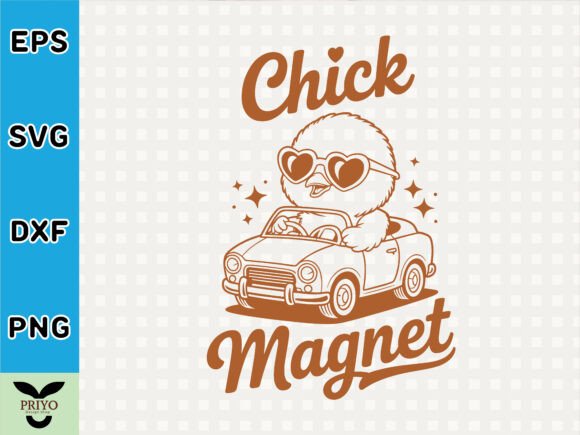
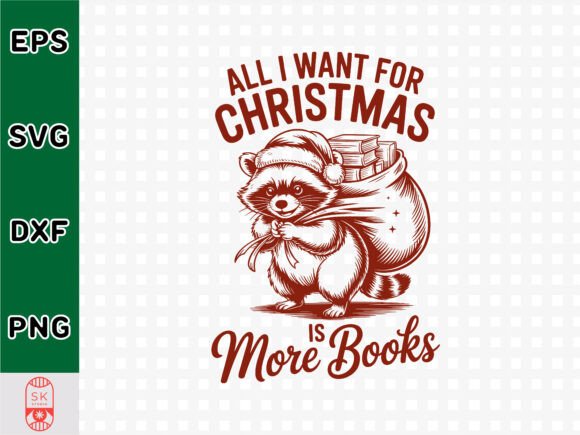
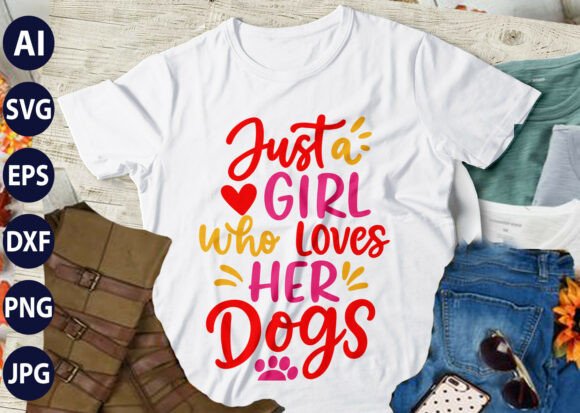
When a new typography asset lands in my workflow, the first thing I do is drop it onto a blank canvas and observe how it holds the space. With Vector Lettering Typography T-shirt, the impression was immediate. This is not a casual, rushed arrangement of words. The letterforms carry weight and intention, the kind that translates well across merchandise surfaces and digital download listings alike. If you have been searching for a high-end vector typography t-shirt design that can anchor a product collection without feeling generic, this one deserves your attention.
The mood sits between confident and understated. Depending on the exact lettering style bundled in the download, buyers may gravitate toward a premium streetwear aesthetic, a clean minimalist statement piece, or a bold decorative style that reads well even at thumbnail size. For online sellers building collections around typography t-shirt designs, this range matters. A single asset that can flex across menswear, womenswear, and even youth apparel lines reduces the number of individual purchases needed to fill a seasonal catalog.
Who This Graphic Speaks To
Before I ever test a file, I picture the end buyer. With Vector Lettering Typography T-shirt, the audience skews toward shoppers who value message-driven apparel. Think of customers browsing Etsy for a thoughtful gift, small business owners ordering branded team shirts, or print-on-demand shoppers looking for designs that feel curated rather than mass-produced. The typography carries enough personality to attract niche communities—book lovers, makers, faith-based audiences, or motivational quote enthusiasts—while staying broad enough for commercial appeal.
From a seller's perspective, this graphic design asset fits into a sweet spot. It has enough visual presence to headline a t-shirt listing, yet the lettering remains clean enough to pair with secondary elements like floral wreaths, geometric frames, or subtle texture overlays. For creative marketplace sellers who build layered Canva templates or offer customizable design bundles, that adaptability is practical gold.
Testing Across Product Types Before Publishing
I never publish a listing based on a screen preview alone. Here is the real-case process I used when evaluating Vector Lettering Typography T-shirt for an upcoming shop refresh. The goal was a coordinated product drop spanning physical merchandise and digital downloads, all anchored by one strong typography statement.
First, I loaded the SVG file into my design software and exported variations at different scales. On a standard t-shirt mockup, the lettering held its proportions beautifully at 11 inches wide, which is my benchmark for adult unisex placements. I then reduced it to a left-chest size appropriate for polo shirts and noticed no degradation in legibility. That scalability told me the original vector was constructed with clean anchor points, not hastily auto-traced from a low-resolution source.
Mug Designs and Small-Format Products
Moving to smaller product surfaces, I tested the design on an 11-ounce mug template. Typography with excessive thin strokes often disappears on curved drinkware, but here the letter weight stayed visible even when wrapped around the mug preview. For sellers adding mug designs to their print-on-demand catalogs, this is a critical checkpoint. A beautiful screen graphic means nothing if customers cannot read it on the final product.
Tote Bags and Fabric Applications
Canvas tote bags present a different challenge. The fabric texture in mockup previews can mask fine details, so I always check how typography reads against a natural linen or cotton background. The Vector Lettering Typography T-shirt design performed well here, particularly in darker ink colors. I would recommend offering this as a contrast print—light ink on dark bags or bold dark ink on natural canvas—to preserve the lettering integrity.
Printable Wall Art and Paper Goods
Shifting to the digital download side of my shop, I tested the design as printable wall art at 8x10 and 11x14 inches. The typography filled the frame without crowding the margins, and the spacing between characters felt intentional. For sellers who create planner stickers, greeting cards, or invitation templates, the design can be isolated, recolored, and resized without losing its character. This opens up additional revenue streams beyond apparel, which matters when building a sustainable creative business.
How This Asset Strengthens Product Presentation
Beyond the products themselves, Vector Lettering Typography T-shirt contributes to how your listings perform visually. Marketplace buyers scroll quickly, and a thumbnail with clear, readable typography stops them. In my test mockups, the design produced strong thumbnail contrast even at Etsy's smallest preview size. That first-glance clarity can directly impact click-through rates, and over time, consistent thumbnail quality builds customer trust in your brand.
For sellers who release seasonal bundles or themed collections, this typography can serve as a unifying element. Imagine a winter collection where the same lettering style appears across a sweatshirt design, a matching mug, a coordinating printable card, and a social media promo graphic. Customers recognize the visual continuity, and your shop begins to feel like a cohesive brand rather than a scattered assortment of unrelated listings. That perceived value encourages multi-item purchases and repeat buyers.
Where the Design Excels
After thorough testing, I identified several scenarios where Vector Lettering Typography T-shirt truly shines. Large product previews let the lettering breathe and showcase the typographer's attention to spacing and proportion. Themed bundles benefit from the design's adaptable personality—it pairs well with both serif and sans serif companion fonts, handwritten script accents, and even bold display fonts for layered compositions. Merchandise graphics for apparel, totes, and home textiles feel elevated rather than basic. Digital download products like printable wall art and greeting card inserts look professionally finished. Social media promos gain an immediate focal point, which matters when you are promoting across Instagram, Pinterest, or Facebook shops. Product mockups with generous preview areas allow the typography to sell itself without excessive supporting graphics.
The design also supports brand consistency across a product line. When a single typography asset can travel from a t-shirt listing to a matching sticker sheet to a coordinating digital wallpaper, the visual identity of your shop strengthens. Small business owners investing in commercial design assets should look for exactly this kind of cross-product versatility.
Where Caution Is Needed
No single design works everywhere, and honest evaluation means acknowledging limitations. I would use Vector Lettering Typography T-shirt carefully on extremely small sticker details where lettering intricacies might close up during cutting. Cricut and Silhouette users should run a test cut before committing to a full production batch, especially if the design contains delicate internal counters or thin connecting strokes. Overly complex layouts that already contain multiple competing elements may not provide enough breathing room for this typography to feel intentional. Dark backgrounds require checking contrast levels—what looks crisp on a white screen can lose definition when inverted. Text-heavy templates where the typography must share space with lengthy body copy can feel cluttered. Low-resolution print setups, particularly for home printers producing planner stickers or small labels, need a test print to confirm fine details survive the output.
When preparing this design for products where clean cutting lines are essential, such as heat-transfer vinyl projects or adhesive sticker sheets, inspect the SVG cut quality closely. A few extra minutes spent smoothing paths or simplifying overly complex nodes can save hours of weeding frustration later.
Practical Seller Notes
Over years of preparing digital products for online marketplaces, I have developed a checklist that prevents costly mistakes. For Vector Lettering Typography T-shirt, here is what I recommend before publishing any listing. Test the design on real mockups, not just flat artboard previews. A t-shirt mockup with fabric folds, a mug template with curvature, and a tote bag preview with texture will reveal issues invisible on a blank screen. Preview the design as a marketplace thumbnail at approximately 200 by 200 pixels. If the lettering remains readable at that size, your listing stands a better chance in search results. Check how the design looks on both white and dark backgrounds, because customers will view your listing on different devices and in varying lighting conditions.
Print a test page if the design will be offered as a printable wall art download. Monitor colors, line weights, and edge sharpness. Verify PNG transparency files open correctly in both design software and basic image viewers. Customers without professional tools should still receive clean files with no unexpected background artifacts. Inspect SVG cut quality by running a sample through your cutting machine software. Look for broken paths, stray points, or sections that will not weld properly. Confirm the file resolution meets your stated specifications. Nothing damages seller credibility faster than a customer discovering a promised 300 DPI file is actually upscaled from a low-resolution source.
Organize files clearly within the download folder. Label each format—SVG, PNG, EPS, DXF—and separate color variations into subfolders. The professional presentation of your digital product files directly influences customer satisfaction and review ratings. Pair this typography with complementary font styles during product creation. A serif font adds traditional elegance, a sans serif keeps things modern, a script font introduces warmth, a handwritten style feels personal, and a display font can create dramatic contrast for special edition listings.
Before selling finished products, confirm your commercial license covers the intended use. Most professional design products like typography t-shirt designs include commercial terms, but verifying the specifics for print-on-demand quantities, digital download redistribution, and template usage protects your business long-term.
Building a Collection Around One Strong Typography Asset
The sellers I see thriving in creative marketplaces do not treat individual designs as isolated products. They think in collections. With Vector Lettering Typography T-shirt, a logical expansion might include coordinating social media graphics for shop promotion, a matching set of greeting cards for a related niche, a printable art bundle that uses the same lettering in different color palettes, and seasonal variations that adapt the typography for holiday merchandise drops. Each addition strengthens the shop ecosystem and gives returning customers more reasons to browse.
For Etsy sellers and print-on-demand shop owners managing multiple product listings, this approach also streamlines the creation process. Once you have tested the typography, confirmed its quality across mockups, and established your color palettes, launching additional products becomes significantly faster. The initial time investment in thorough testing pays off across every subsequent listing.
When I consider whether a graphic design asset earns its place in my commercial toolkit, I ask whether it solves more problems than it creates. Does it reduce my design time for new listings? Does it translate cleanly across the products my customers expect? Will it contribute to a recognizable visual brand? For Vector Lettering Typography T-shirt, the answer on all three counts is a confident yes. The professional design quality, cross-product flexibility, and marketplace-ready presentation make it a practical investment for digital product creators who take their online shops seriously.
If you are preparing a new collection, refreshing an existing product line, or building your first creative marketplace presence, test this typography across your product range before committing to a full launch. Mock it up on apparel, print a sample, preview it small, and see how it interacts with your brand's existing visual elements. The designs that perform best in real shops are rarely the flashiest. They are the ones that work reliably, look intentional, and give customers confidence in their purchase. This asset delivers on those practical, revenue-focused priorities.