Turning Gym Pain into Powerful Embroidery Projects
First Look: A Bold Design Born for Fabric
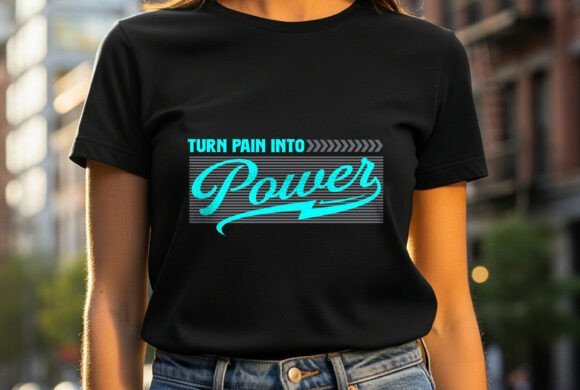
When you first load the Gym Turn Pain into Power Fitness Shirt embroidery design, its personality hits you immediately. It’s not a timid graphic; it’s a confident statement built for visual punch. The layout feels modern and direct, with a composition that naturally lends itself to becoming a focal point on a garment or accessory. The theme is clear—it’s motivational, it’s resilient, it speaks to anyone embracing the grind. This isn’t just a graphic; it’s a machine embroidery design with a built-in mood. It creates an attitude of strength and humor, which is exactly what you want for a custom apparel project aimed at fitness lovers.
The Natural Habitat for This Embroidery File
My mind instantly starts cataloging where this design would thrive. A heavyweight cotton sweatshirt is a prime candidate—the fabric can support the bold statement, and the message pairs perfectly with cozy, post-workout wear. For a client who runs a small activewear shop, this could become a core small shop product. I also picture it on the back of a canvas tote bag for a gym-goer, or as a centered motif on a premium polo shirt. The design’s scale and visual weight make it ideal for products where you want the embroidery to be the hero, not a subtle accent.
From Digital File to Stitched Reality: A Practical Walkthrough
Let’s get practical. Imagine you’re preparing a custom embroidered sweatshirt for a client’s boutique. You’ve chosen a heather grey fabric. How does the Gym Turn Pain into Power Fitness Shirt design translate? The key will be stitch clarity. Bold lettering and graphic elements need crisp edges, so satin stitch borders and clean fill stitch areas are crucial. On a textured fabric like a fleece-backed sweatshirt, using the proper stabilizer is non-negotiable to prevent puckering and maintain that sharp, professional look.
For a different project, like a lightweight performance t-shirt, you’d approach it with caution. The thin, stretchy fabric requires a lighter stitch density and potentially a different hoop approach to avoid distorting the garment. This design might be better suited as an embroidered patch applied to such activewear, rather than directly stitched, preserving fabric integrity.
Where This Design Should Be Used with Care
Not every embroidery project is a perfect fit. This design’s bold nature means smaller details might get lost if you try to scale it down too much for a baby hat or a delicate tea towel. On very curved surfaces like caps, the layout might need adjustment to sit correctly without distortion. Dark fabric backgrounds require thoughtful thread color selection for maximum contrast and impact—a bright, contrasting palette will make the message pop. And for items destined for frequent washing, like gym towels or aprons, you’ll want to test the durability of the stitch coverage to ensure it lasts.
More Than Stitches: The Impact on Your Product and Business
Using this design isn’t just about the technical embroidery. It’s about what it does for your finished product. On a handmade tote bag sold on Etsy, it instantly elevates the item from generic to curated, speaking directly to a niche audience. It boosts perceived value. For a personalized gift—say, for a friend hitting a fitness milestone—it adds a layer of meaningful, witty encouragement that a plain item lacks. This kind of design builds customer trust; it shows you understand their lifestyle and can create products that resonate.
For creative entrepreneurs and Etsy sellers, it’s a ready-made design asset that can anchor a whole product line. Pair it with simple printable mockups of t-shirts and sweatshirts, and you have a compelling digital product listing. It supports brand consistency for a boutique focused on athletic or motivational goods.
Essential Designer Notes Before You Hoop Anything
Always, always run a test on scrap fabric first. Use a piece similar to your final project fabric. This lets you check the actual stitch coverage, see how small text elements render, and verify your thread choices. I recommend testing on both a light and a dark scrap to judge contrast. Examine the design closely in your software—are there any overly dense areas that might need adjustment for your specific machine or fabric? Confirm the required hoop size; a design like this often needs a decent area to shine.
Crucially, before selling any commercial embroidery products or the digital embroidery file itself, verify the licensing terms for this design. The product category is T-Shirt Designs and Graphics, but the specifics of personal vs. commercial use are not provided here. It is your responsibility to confirm this before proceeding with any business application. This protects you and respects the original designer’s work.
Final Verdict: A Strong Choice for Targeted Projects
The Gym Turn Pain into Power Fitness Shirt embroidery design is a robust, mood-driven file with clear commercial appeal. It’s not a universal, one-size-fits-all graphic; it’s a specialist. It excels on sturdy, flat-surfaced items where motivation and attitude are part of the product’s story—think sweatshirts, tote bags, patches, and heavyweight tees. It would feel out of place on a delicate nursery decor item but absolutely perfect on a gym bag or a workout hoodie.
As an experienced embroidery product reviewer, my judgment is this: if your craft business or client work leans into the fitness, motivational, or athleisure space, this design is a practical and powerful asset. Approach it with the technical respect it deserves—proper stabilization, thoughtful fabric pairing, and licensing diligence—and it will turn digital pain into powerfully stitched, profitable projects.